
The Clothes That Earn Their Place in Your Life.
Fashion has a habit of asking for attention long before it has earned any affection.
A garment appears beautifully styled on a screen, worn by someone whose life seems permanently lit by good weather and impeccable timing, and for a brief moment, the purchase makes perfect sense. You imagine where you would wear it, the version of yourself it seems to belong to, the kind of compliments it might attract, and sometimes that imagined life is persuasive enough to carry you all the way to checkout. Then the parcel arrives, reality takes over, and the relationship changes quickly. The fabric feels less convincing in your hands than it did in photographs, the fit demands more effort than your daily life can reasonably offer, and the piece that once looked so full of possibility quietly begins its long career of being moved from one side of the wardrobe to the other.
That story is familiar because most of us have lived some version of it.
The clothes that become part of our lives tend to arrive very differently. They are not always the most immediately exciting purchases, nor the ones attached to some glamorous occasion or highly specific mood. More often, they are the pieces that prove themselves through repetition, through utility, through the deeply unremarkable rhythms of actual life. The kurta you wear on a rushed morning because you know it will work. The shirt that somehow survives long workdays, airport delays, family lunches, spontaneous detours, and the hundred small realities no fashion campaign ever prepares clothing for. The Handmade Dress for Women never disappointed you.
Why Nilam India Feels Different
That is the category where Nilam India becomes genuinely interesting and becomes one of the best slow fashion brands in India.
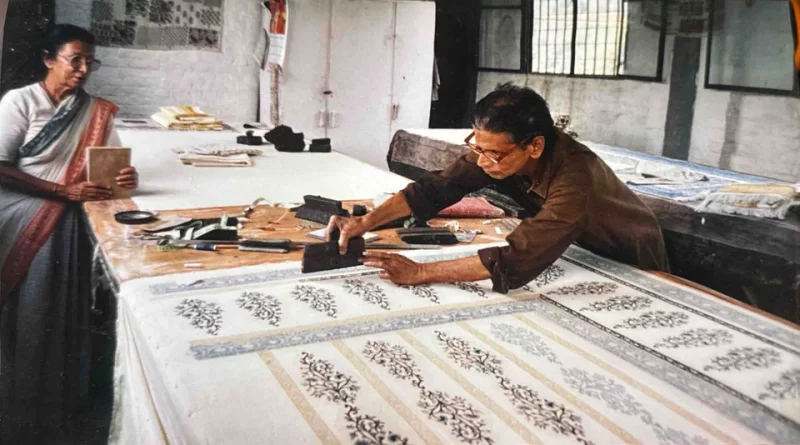
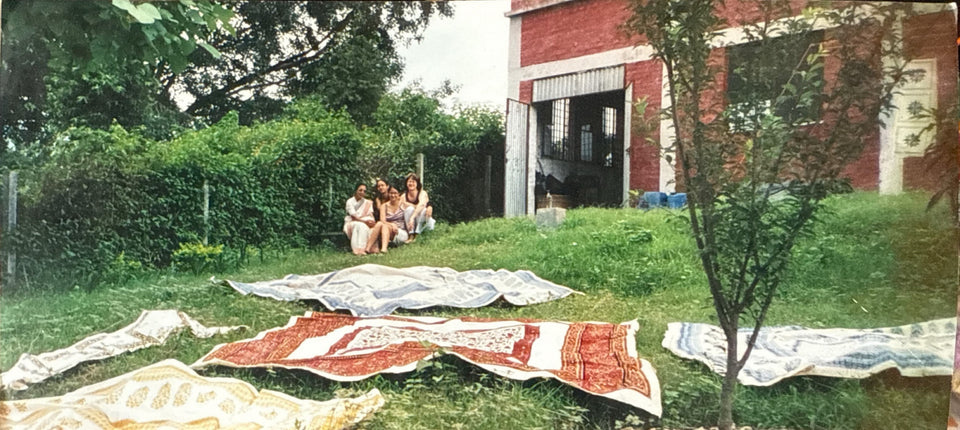
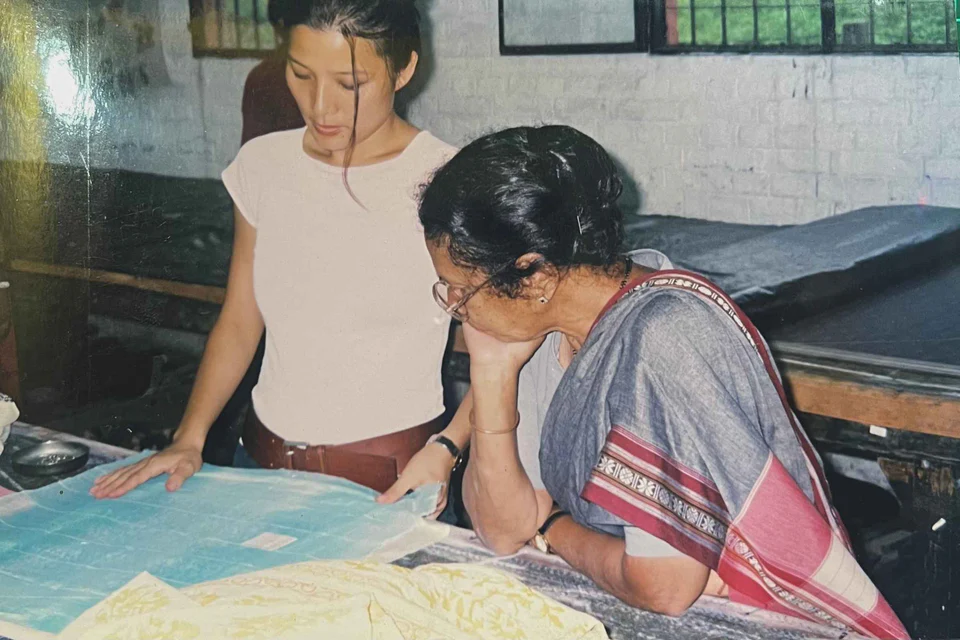
Because while many handcrafted clothing brands in India are currently fluent in the language of craftsmanship, heritage, and conscious dressing, Nilam India feels less like a label trying to adopt that vocabulary and more like a brand that has grown from it naturally. With roots that trace back to 1973, beginning in Dehradun through textile printing before evolving into the contemporary fashion label in 2024 as of today, Nilam India brings something increasingly valuable to a crowded market: credibility that feels lived rather than assembled.
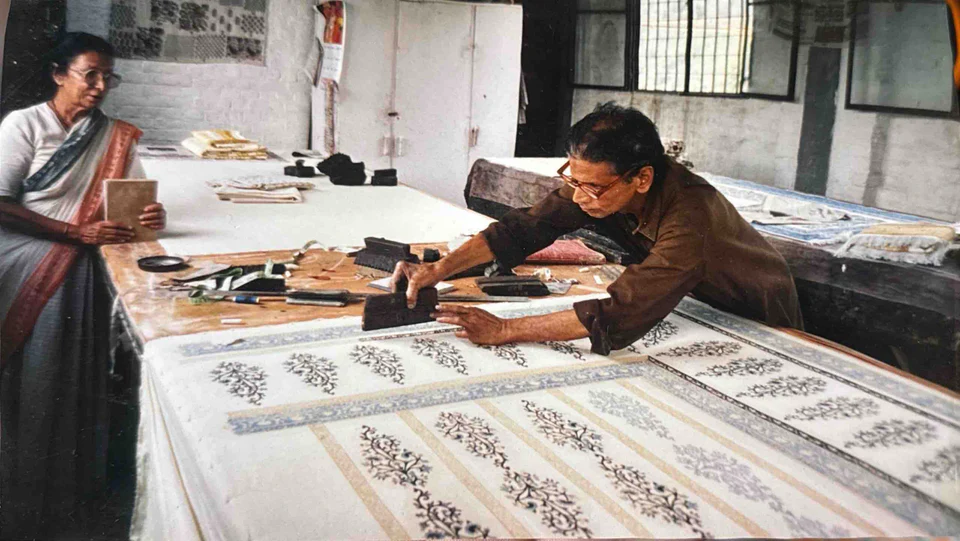
That distinction matters because “heritage” or “Slow Fashion” has become one of fashion’s most commercially useful words, often deployed with more enthusiasm than substance. Consumers have seen enough carefully styled campaigns and polished storytelling to recognize when craftsmanship is being used as aesthetic shorthand rather than cultural reality. Nilam India benefits from feeling more grounded than that, perhaps because its relationship with textiles appears to begin with the material itself rather than with the marketing opportunity surrounding it. And material knowledge changes everything.
How Fabric Knowledge Shapes Better Clothing
A brand that begins with fabric tends to understand clothing differently from one that begins with trend forecasting. The priorities shift. Comfort becomes more than a talking point. Wearability is not treated as an afterthought. Print placement, fabric movement, breathability, longevity all of these become practical considerations rather than decorative language. Consumers may not consciously analyze those differences every time they shop, but they absolutely respond to them.
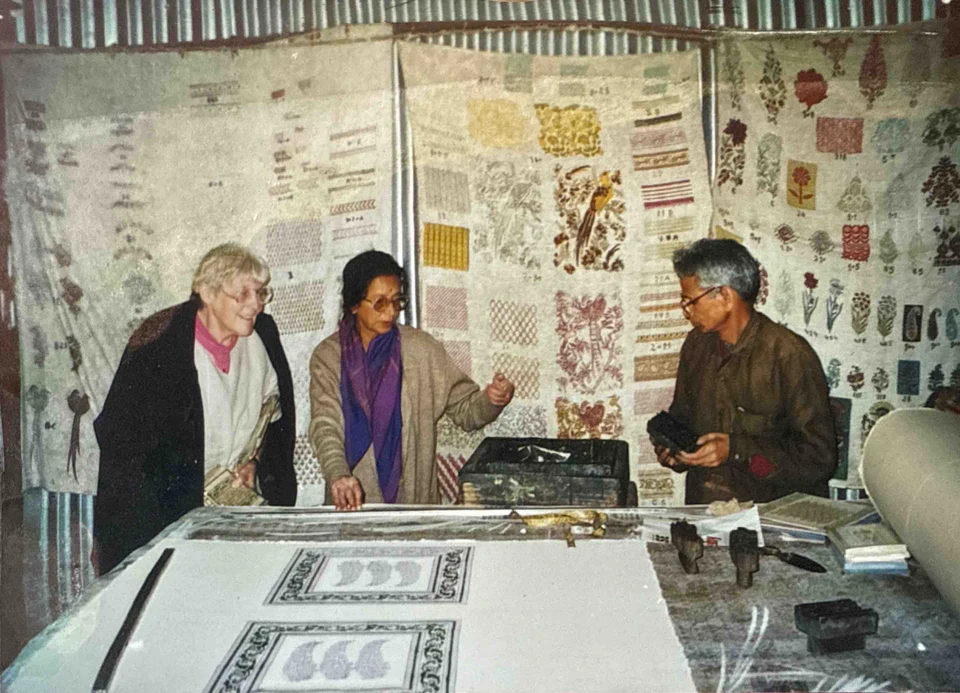
Nilam India’s design language reflects that kind of understanding. Cotton-first dressing, handcrafted prints, easy silhouettes, and pieces that feel rooted in Indian material culture without appearing trapped in nostalgia. As an Indian artisan fashion label, the brand celebrates traditional textile practices while creating clothing designed for contemporary lifestyles. Its thoughtful use of print and fabric places it among the most distinctive names in block print clothing in India, offering garments ranging from Handmade Tops & Shirts for Women to timeless, everyday staples that feel enduring rather than trend-driven.
Nilam India seems to occupy the far more interesting middle.
The Emotional Connection Between Clothing and Memory
There is also something worth acknowledging about why this kind of brand resonates so strongly in India, and it has very little to do with trend cycles.
Clothing here has always carried emotional memory in a way that feels distinctly cultural. People remember fabrics with startling precision. A father’s cotton kurta that softened over the years until replacing it felt impossible. A grandmother’s carefully folded sarees. Printed house dresses worn by women who never imagined anyone would one day think of them with nostalgia. The faint smell of starch, sandalwood, cupboards, old cotton, monsoon humidity. These are not dramatic memories. That is exactly why they stay.
Indian wardrobes have always held biographies.
So when a brand like Nilam India creates clothing that feels emotionally familiar, uncomplicated fashion for women then it is working with something far deeper than aesthetics. It is speaking to memory without becoming sentimental about it. That requires restraint. Consumers can sense when nostalgia is being exploited. The emotional shorthand only works when it feels earned.
Fashion That Fits Real Life
Nilam India does not appear to be selling fantasy in the traditional fashion sense. It seems to understand that the modern Indian consumer, especially the woman shopping with both taste and practicality in mind, is far less interested in becoming an invented version of herself and far more interested in finding clothes that integrate naturally into the life she already lives.
That difference may sound subtle on paper but there’s an audience who cares about simple fashion.
For years, fashion aspiration depended on visible effort. Looking expensive mattered. Looking polished mattered. Discomfort was often part of the performance. Structured silhouettes, impractical fabrics, outfits that required planning, styling, maintenance, and occasionally suffering. For a long time, effort itself was a signal.
That relationship with fashion has evolved.
The contemporary consumer increasingly values ease, though not in the lazy sense people often assume. Ease now suggests confidence. A well-cut cotton garment that works effortlessly in real life communicates discernment differently than something trend-dependent and high-maintenance. This shift has also contributed to the growing appeal of slow fashion brands in India, as consumers move away from disposable wardrobes and toward pieces that offer longevity, versatility, and emotional value. Nilam India seems exceptionally well-positioned for that transition.
Its clothing feels built for movement, weather, unpredictability, and repetition. Those may sound like practical considerations, but in fashion, practicality is often one of the clearest indicators of emotional intelligence. A garment that survives actual life earns loyalty in ways that purely aesthetic pieces often cannot.
Why Versatility Matters More Than Trends
This becomes even more relevant when considering how Indian women have historically been expected to dress.
The contradictions are familiar enough to feel exhausting. Look modern, but remain culturally legible. Look feminine, but practical. Look polished, but effortless. Look put together, but never appear vain. Clothing choices often carry layers of social interpretation far beyond their intended purpose.
That makes versatility far more valuable than fashion writing sometimes acknowledges.
A cotton kurta that works across workdays, family gatherings, errands, travel, casual lunches, and unpredictable schedules is not simply a practical item. It is a release from negotiation. Clothing that removes friction becomes emotionally valuable very quickly.
Nilam India’s appeal seems deeply tied to this kind of usefulness. .
The Rise of Slow Fashion in India
In that environment, brands built around continuity feel refreshing.
Nilam India represents a growing movement within sustainable fashion in India, one that values craftsmanship, wearability, and lasting relationships with clothing over rapid consumption. Its strength lies not only in beautiful garments, but in creating pieces that earn their place in everyday life.
That confidence is appealing.
Especially now, when every brand seems expected to be louder, faster, trendier, and more aggressively self-aware than the one before it.
Why Authenticity Matters in Handcrafted Fashion
Still, any honest conversation about handcrafted fashion has to acknowledge the scrutiny consumers now bring to these narratives, and rightly so.
Craft has become commercially attractive. Heritage sells. Artisan storytelling performs well. Consumers are increasingly aware of how aestheticized ethics can become.
That does not make every brand disingenuous. It simply raises the standard.
Questions around labour, sourcing, production methods, and authenticity are entirely fair, especially for any ethical fashion brand in India. Brands that embrace transparency are more likely to earn long-term trust from consumers seeking genuinely conscious fashion in India rather than marketing-driven sustainability claims. What helps Nilam India is that the overall brand language feels culturally fluent rather than trend-assembled.
That distinction is difficult to fabricate convincingly.
Why Nilam India Earns Long-Term Trust?
What makes Nilam India compelling and being one of the best brands in slow fashion from India is, ultimately, simpler than trend analysis.
The brand seems to understand that clothing becomes meaningful through ordinary life.
The pieces people love most are usually not the ones that arrived demanding attention. They are the ones that earned trust through use. Through long days. Through repeated wear. Through weather changes, family obligations, delayed plans, travel schedules, work fatigue, and all the realities far less glamorous than a campaign image but far more important to whether clothing actually survives.
That is where fashion becomes personal.
Nilam India feels like the kind of brand built for exactly that kind of long-term presence. Hence Nilam India can be said as the best brand in slow fashion in India.